

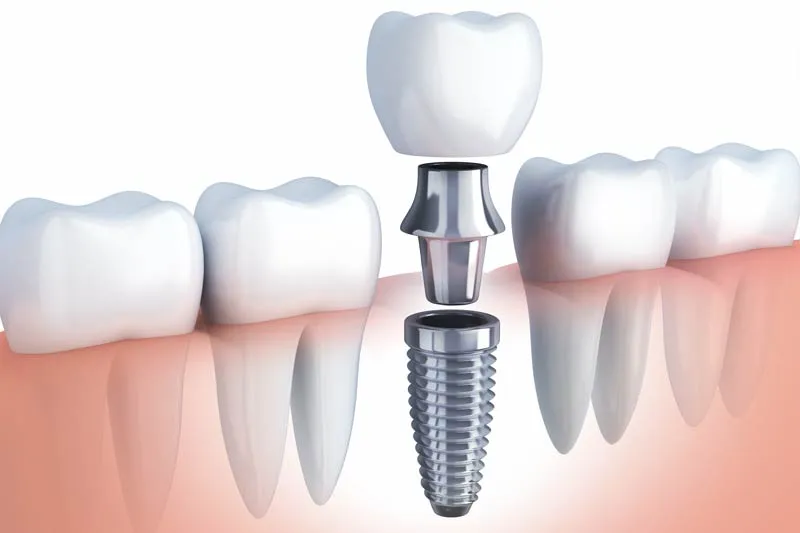
For one missing tooth, the choice between an implant and a bridge should begin with an examination—not a preference formed from a generic comparison chart. The condition of the neighboring teeth, available bone, gum health, bite forces, tooth position, and reason the tooth was lost can all change the recommendation.
At Astra Dental in Stratford, the practical next step is to have the entire area evaluated and ask what findings support each option. A patient coming from Stratford or nearby Bridgeport should leave the consultation understanding not only what can be done, but why one plan fits the current condition of the mouth better than another.
Why does the condition of the neighboring teeth matter?
The teeth beside the open space need individual attention during the comparison. Ask whether either tooth has decay, an existing restoration, a fracture, gum support concerns, or another issue requiring treatment. Those findings may affect how a bridge is considered and whether additional dental work belongs in the plan.
This is also where the discussion should become specific. Instead of accepting “a bridge is faster” or “an implant is better” as a complete answer, ask:
- What did the examination show about each neighboring tooth?
- Would either neighboring tooth need treatment regardless of the missing space?
- How does its current condition affect the long-term plan?
- If one of those teeth changes later, how could that affect today’s recommendation?
Astra Dental’s dental crown information may also help patients understand why the condition of an individual tooth matters when planning restorations.
How do bone and gum findings change the implant discussion?
Implant planning depends on stable bone support. The amount and shape of bone in the missing-tooth area, along with any bone changes related to infection, gum disease, or the length of time the tooth has been absent, can affect the proposed plan. In some cases, grafting may be discussed as part of building support for a future tooth.
Gum health matters as well. The consultation should identify whether the gums are stable or whether gum disease treatment belongs earlier in the sequence. A recommendation made before these findings are reviewed would leave out information that can influence both treatment selection and timing.
- Is there enough support in the missing-tooth area for the implant plan being discussed?
- Has infection or gum disease affected the area?
- Would grafting be part of the proposed treatment?
- Does gum treatment need to happen first?
Why do tooth position and bite affect the recommendation?
Replacing a front tooth and replacing a back tooth present different planning questions. Appearance may be a central concern near the front of the smile, while bite pressure can be especially important when planning a tooth used heavily for chewing. The recommendation should account for the future tooth’s position rather than treating every one-tooth space alike.
Ask how your teeth meet in the area and whether grinding, uneven pressure, or limited space changes the plan. The evaluation should also consider how the replacement will relate to the remaining teeth. This keeps the decision focused on the full bite rather than the visible gap alone.
Does the reason the tooth was lost still matter?
Yes. Infection, fracture, cavities, trauma, gum disease, and bite problems can lead to different planning concerns. If the cause could also affect nearby teeth or supporting tissues, that issue should be identified before a replacement is selected.
If the tooth has not yet been removed, ask whether it can be repaired and what findings determine that answer. If removal is recommended, ask how the extraction and replacement stages fit together. Immediate implant placement may be considered in selected cases, but infection, bone shape, gum health, bite pressure, esthetic risk, and implant position can affect whether waiting is healthier.
What should you ask before choosing an implant or bridge?
- What did you find in the neighboring teeth, gums, bone, and bite?
- Why does that diagnosis favor one option in my case?
- Does any infection, gum treatment, extraction, or grafting need to be addressed first?
- What stages are included in each plan?
- Will I need a temporary option while the area is being treated?
- What should I know about cleaning and maintaining each option?
- What could change the recommendation after further evaluation?
When should a Stratford patient schedule an evaluation?
Schedule an evaluation when a tooth is missing, has been described as failing, or is being considered for removal. Earlier planning gives the dentist an opportunity to assess the cause, the surrounding teeth, and the supporting tissues before the space is treated as an isolated problem.
To compare options at Astra Dental, call 203-551-9090 or request an appointment online. The office is located at 2499 Main Street, Unit D, Stratford, CT 06615. You can also review the single-tooth implant service before your visit.
Frequently Asked Questions
Is an implant always recommended for one missing tooth?
No option should be assumed to fit every patient. Bone support, gum health, nearby teeth, bite forces, tooth position, and the reason for tooth loss all need to be evaluated.
Can I decide between an implant and a bridge without an examination?
An online comparison can help you prepare questions, but it cannot show the condition of the bone, gums, bite, or neighboring teeth. Those findings are central to a personalized recommendation.
What if the tooth has not been removed yet?
Ask whether the tooth can be repaired and which findings support that conclusion. If removal is recommended, discuss how the extraction, healing, temporary option, and final replacement would be sequenced before proceeding.
How this fits into implant planning at Astra Dental
Patients from Stratford, Bridgeport, Fairfield, Trumbull, Shelton, Milford, and Monroe often come in after hearing several different opinions about implants. The most useful visit starts with diagnosis, not a pre-written plan.
What an implant-focused visit should cover
A real implant visit should connect the surgical side and the tooth-design side. The implant has to heal in bone, but it also has to support a crown, bridge, denture, or full-arch prosthesis that fits the patient's bite and smile.
Patients should leave understanding the likely sequence, whether a temporary tooth is possible, what the final restoration may be, and what maintenance will look like after treatment.
For more complex implant cases, planning may also include CBCT imaging, intraoral scanning, facial scanning, printed models, surgical guide planning, and in-house temporary or ceramic workflows. The technology is there to make the treatment path clearer, not to rush the patient into one option.
- Review of X-rays or 3D imaging when needed
- Digital planning with scanners, photos, and bite information
- Discussion of bone grafting, gum shape, and healing time
- Comparison of implant and non-implant alternatives
- Clear explanation of temporary and final tooth options
Long-term success depends on more than placing the implant
Dental implants need maintenance just like natural teeth need maintenance. The bite, cleaning access, gum health, medical history, and design of the restoration all affect how the result holds up over time.
That is why Astra Dental talks about the final tooth early. A well-planned implant should be placed where the final restoration needs support, not just where bone happens to be available.
When to schedule an implant consultation
It is worth scheduling a consultation if a tooth is missing, loose, cracked below the gumline, repeatedly infected, uncomfortable under a denture, or no longer restorable. The sooner the area is evaluated, the easier it is to understand bone support, temporary tooth options, and whether grafting may be needed.
Patients do not need to know the perfect treatment before calling. The purpose of the visit is to compare options and build a plan around health, comfort, timing, appearance, and budget.
Helpful next pages
Patients comparing options can also review Dental Implants, All-on-X Dental Implants, Bone Grafting, Same Day Teeth.