

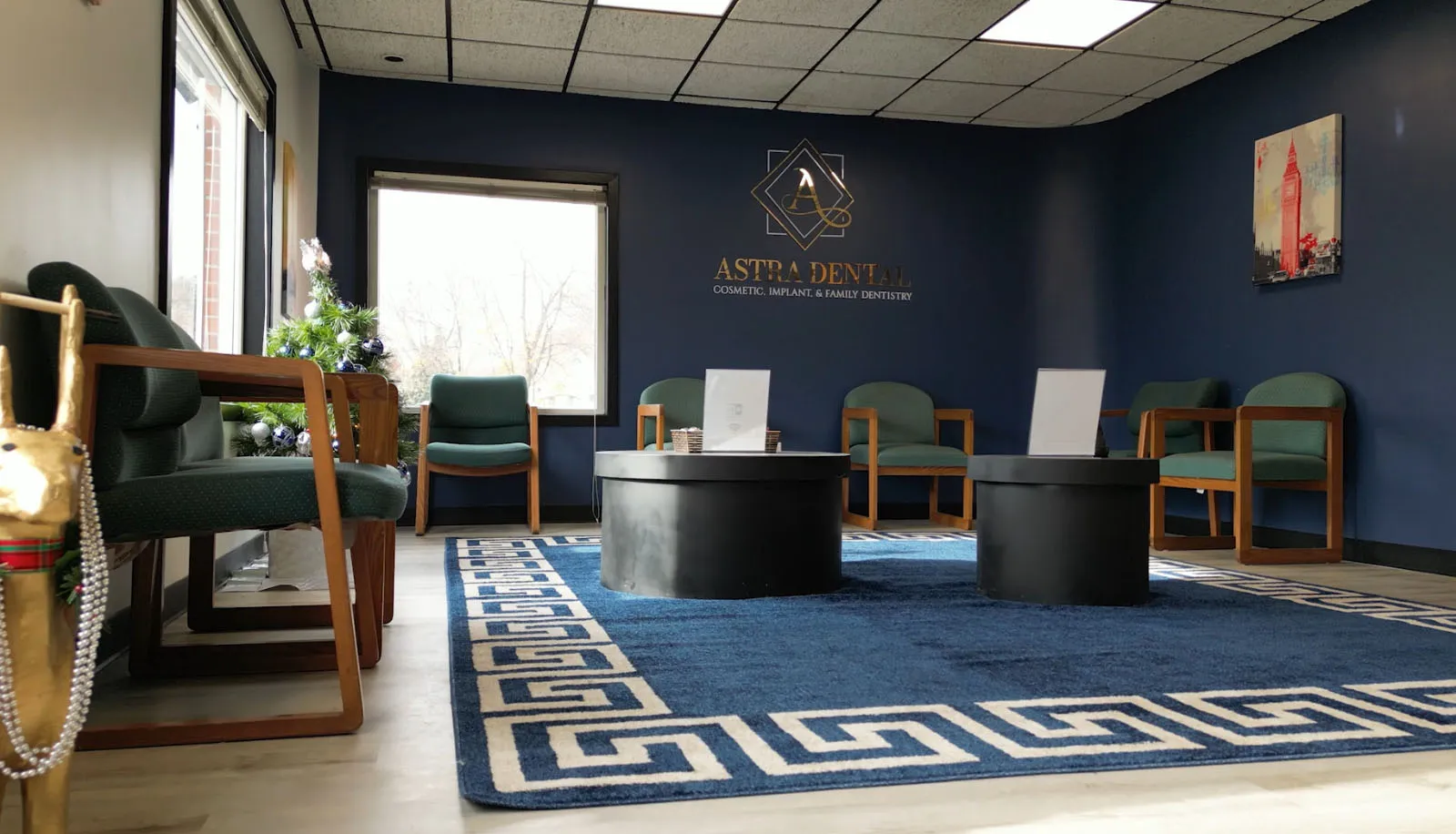
Medication-related dry mouth can raise cavity risk because reduced saliva leaves less moisture to clear food debris and counter acids around the teeth. If dryness persists, schedule a dental examination rather than waiting for pain. Astra Dental in Stratford can evaluate your teeth, gums, oral tissues, existing dental work, symptoms, and medication history before recommending an appropriate next step. Do not stop a prescribed medication without speaking with its prescriber.
Why does lower saliva increase cavity risk?
Saliva is part of the mouth’s normal defense against tooth decay. It helps wash away food particles, dilute acids, and keep oral tissues moist. When saliva flow decreases, acids and cavity-causing conditions can remain around the teeth longer. Frequent sipping on sugary or acidic drinks to relieve the dryness can add to that exposure.
Dry mouth does not confirm that you have a cavity, and medication is not the only possible reason for oral dryness. An examination matters because early decay may not hurt. The dentist also needs to distinguish generalized dryness from a problem involving a particular tooth, restoration, gum area, or oral tissue.
Astra Dental’s guide to how cavities develop provides more background about plaque, acid, and decay. The medication-related question requires an additional look at when symptoms began and what may be reducing saliva.
What will the dentist evaluate?
A dental visit for persistent dry mouth is not limited to asking whether your mouth feels dry. The examination may consider:
- Where decay or early tooth changes are appearing, including around older dental work
- Whether plaque is collecting in areas that have become harder to keep clean
- The condition of the gums and other oral tissues
- Whether you have sensitivity, pain, chewing difficulty, sores, or changes in taste
- When the dryness occurs and whether it affects eating, speaking, or sleeping
- Your current medications and any recent additions or dose changes
Dental images may be considered when the examination and dental history indicate they are needed. The findings help determine whether the immediate priority is prevention, treatment of existing decay, evaluation of another oral problem, or coordination with the clinician who prescribed the medication.
What should you discuss at the appointment?
Bring a complete medication list rather than trying to remember names during the visit. Include prescription drugs, nonprescription products, supplements, and any recent changes. Note when the dryness started, whether it is constant or occurs after a particular dose, and what you use for relief.
Useful questions include:
- Do you see early decay or damage around existing fillings or crowns?
- Are there particular areas where plaque or food is being retained?
- Should my examination or cleaning schedule change based on the findings?
- Would a fluoride product or another dry-mouth strategy be appropriate for me?
- Should I discuss the timing, dose, or an alternative medication with my prescriber?
- Which drinks, lozenges, rinses, or other products should I avoid because of sugar, acid, or irritating ingredients?
The dentist can address the oral findings, but medication decisions belong with the prescribing clinician. Do not reduce a dose, skip medication, or stop it based only on a suspected connection with dry mouth.
What can you do before the visit?
Continue brushing with fluoride toothpaste and cleaning between your teeth. Drink water regularly, and check the labels of products used repeatedly for dry-mouth relief. A sweet drink, candy, or lozenge may feel soothing while also exposing the teeth to sugar or acid.
Sugar-free gum or sugar-free lozenges may help some people stimulate saliva, but they are not suitable for every patient. Ask your dentist or medical clinician if you have questions about whether they fit your health situation. Avoid starting a complicated product routine before the cause, current cavity risk, and condition of the oral tissues have been assessed.
Keep a brief symptom record for several days. Note medication times, periods of significant dryness, nighttime waking, foods or drinks used for relief, and any tooth sensitivity. This gives the dentist more useful information than the statement that the dryness happens “sometimes.”
When should you schedule sooner?
Arrange a dental examination if the dryness is persistent, interferes with speaking or eating, or is accompanied by tooth sensitivity, a rough or broken area, oral sores, or a change around existing dental work. Do not wait for a routine visit if dental pain or swelling develops.
Facial swelling, trouble breathing, trouble swallowing, or rapidly worsening symptoms require urgent medical attention. For dental pain, swelling, or a broken tooth that needs timely evaluation, review Astra Dental’s emergency dentistry service.
Astra Dental is located at 2499 Main Street, Unit D, Stratford, CT 06615. Adults in Stratford and nearby Bridgeport can call 203-551-9090 to arrange an examination and bring their medication list for review. The goal of the visit is to identify what is happening now, determine whether decay or another problem is present, and choose next steps based on the findings.