

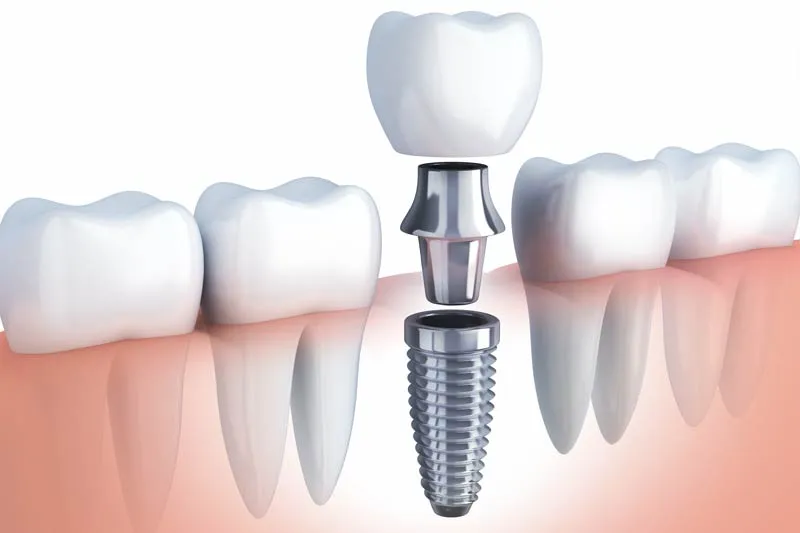
If the space around your missing tooth has changed, do not assume that the original dental implant plan still fits exactly as discussed. A change in the gap does not automatically rule out an implant, but an examination and appropriate imaging are needed to confirm the current restorative space, the intended crown position, and the condition of the surrounding area.
The important question is not simply, “Is there still a gap?” It is whether an implant and final crown can be planned within the present space while working with the neighboring teeth, bite, bone, and gums.
The visible gap is only part of the available space
A space can look adequate in the mirror without providing all the information needed for implant planning. The dentist must evaluate how the neighboring teeth relate to the opening, how the upper and lower teeth meet, and how the proposed crown would fit into that relationship.
This is why an earlier estimate or plan may need to be revisited after time has passed. The current examination—not the appearance or measurement remembered from months or years ago—guides the next discussion.
The plan should account for the final crown
The implant is intended to support a restoration, so planning cannot focus on the implant alone. The dentist also needs to consider the space and position required for the final crown.
Useful planning questions include:
- Is there suitable restorative space for the intended crown?
- How would the crown relate to the teeth on each side?
- How would it meet the opposing teeth during biting and chewing?
- Can the proposed restoration be shaped so that it can be maintained and cleaned?
- Does the location of the gap create additional appearance or smile-line considerations?
A changed space may affect the proposed crown design or the position being considered for the implant. Those decisions require the whole area to be evaluated together.
Neighboring teeth and the bite may change the discussion
The teeth next to the gap are part of the current plan even though they are not being replaced. Their condition and position can influence the available restorative space and whether a particular approach remains practical.
The bite matters as well. A crown must work with the way the upper and lower teeth come together. The dentist therefore needs to look beyond the width of the visible opening and assess how the planned restoration would function within the existing bite.
Ask the dentist to explain which findings come from the missing-tooth site and which involve the surrounding teeth or bite. That distinction can make it easier to understand why the current recommendation may differ from an earlier expectation.
Bone and gum findings still need to be reassessed
Even when the main concern is a narrower or altered gap, implant planning still includes the bone and gums at the proposed site. Appropriate imaging can provide information that cannot be established from the visible opening alone.
The examination may consider available bone, gum health and shape, neighboring teeth, the reason the tooth was lost, and the intended position of the final crown. No single finding automatically determines the complete plan. The recommendation comes from how those findings work together.
If bone support is a concern, the discussion may include whether bone grafting belongs in the sequence. That possibility should be based on the evaluation rather than assumed simply because the tooth has been missing for a particular length of time. Astra Dental's overview of what determines whether bone grafting is considered explains the other findings involved in that decision.
Could the treatment sequence or alternative change?
Possibly. Reassessment may show that the original implant concept remains appropriate, that additional planning or staged care should be discussed, or that another replacement option deserves comparison. The changed appearance of the space alone cannot establish which of those conclusions applies.
If an implant plan no longer fits the current findings as expected, ask what specifically changed the recommendation. Depending on the examination, the conversation may compare an implant with a bridge, a removable option, or another staged approach. The purpose of that comparison is not to assume that one option is universally better. It is to understand which choice fits the present condition of the mouth.
For a focused overview of the primary service, see Astra Dental's single-tooth implant information. Patients who need to compare replacement approaches can also review the questions in the implant-or-bridge guide before their visit.
Questions to bring to the consultation
A few specific questions can keep the discussion centered on current findings:
- What restorative space is available now?
- Does the intended crown fit that space and my current bite?
- What did the examination and imaging show about the bone and gums?
- Do the condition or position of the neighboring teeth affect the plan?
- Would any care need to happen before implant placement or the final crown?
- How would I clean and maintain the proposed restoration?
- Which alternatives are reasonable if the original implant plan no longer fits?
If you have an older treatment plan or dental images, bring them for context. The current examination still determines what is appropriate now, but prior information may help the dentist understand what was previously discussed.
Astra Dental is located in Stratford, Connecticut. If your missing-tooth space has changed, call Astra Dental at 203-551-9090 or request an appointment online to have the area evaluated before relying on an earlier implant plan.