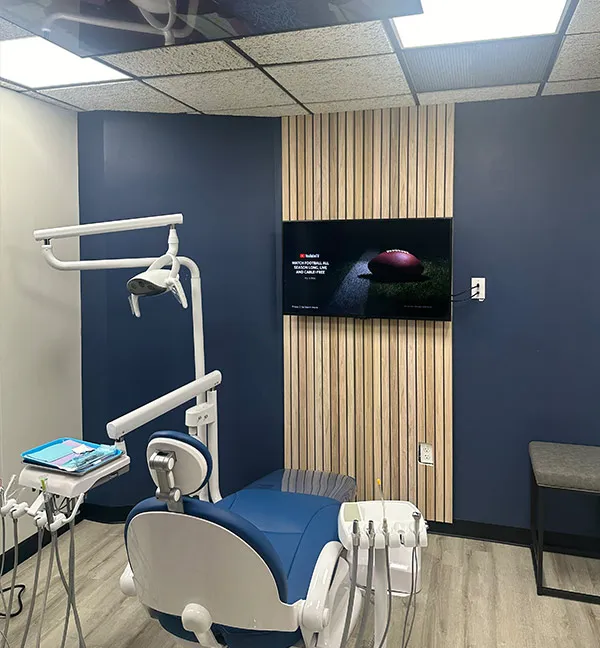
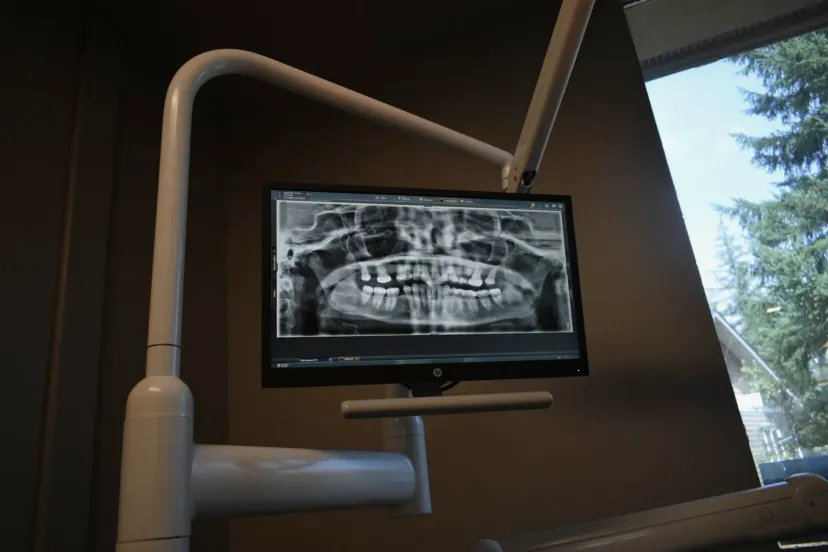
A treatment room at Astra Dental in Stratford

Extractions

Tooth Extractions in Stratford, CT

Sometimes a tooth cannot be saved, and removing it is the healthiest choice. Teeth are pulled here in our Stratford office, wisdom teeth included. Astra Dental checks first whether the tooth can be kept, then explains the extraction, the healing, and how the space can be filled.

Tooth Extractions at Astra Dental

Know why the tooth is coming out, and what happens next.

Nobody looks forward to having a tooth pulled. Most of the worry comes from not knowing what the appointment involves, how long the soreness lasts, or what the space will look like afterward.

Dr. Sran looks first at whether the tooth can be saved. When removal is the healthier choice, he explains why and how the extraction fits into the larger restorative plan, so you hear the reasons and the alternatives before it is scheduled.

New and existing patients can call our Stratford office at 203-551-9090. If you have pain, swelling, or a broken tooth, call first. We get emergency patients in the same day in almost every case.

Tooth Extractions In Stratford

Getting a tooth pulled: when it is needed, what it feels like, and how healing goes.

Most people looking for an extraction are in pain or have been told a tooth cannot be fixed. This guide explains how that decision is made, what happens at the appointment, how to care for the site, and how the space can be filled afterward.

Types
Simple, surgical, wisdom teeth
Numbing
Local anesthesia
First day
Gauze, rest, soft foods
Call us if
Pain gets worse instead of better

When does a tooth need to be pulled, and when can it be saved?

A tooth is usually removed only when it cannot be repaired in a way that will last. Common reasons are a crack that runs below the gum, decay too deep to rebuild, advanced gum disease that has loosened the tooth, or an infection that other treatment cannot clear.

Many painful teeth can be kept. A deep cavity or infected nerve can often be treated with a root canal and a crown. At Astra Dental, Dr. Sran evaluates whether the tooth can be saved before recommending removal, and explains why.

Simple vs. surgical extraction, including wisdom teeth

A simple extraction removes a tooth that is fully visible above the gum. The tooth is loosened and lifted out in one piece. A surgical extraction is used when a tooth has broken off at the gumline, has curved or fragile roots, or has not fully come in. It may involve a small opening in the gum, removing the tooth in sections, and a few stitches.

Wisdom teeth are removed here in our Stratford office. They vary a great deal. Some come in straight and are removed like any other tooth. Others are trapped under the gum or bone or sit close to a nerve. An exam and X-ray, or a 3D scan if it is needed, show how the tooth sits, and Dr. Sran plans the removal around that.

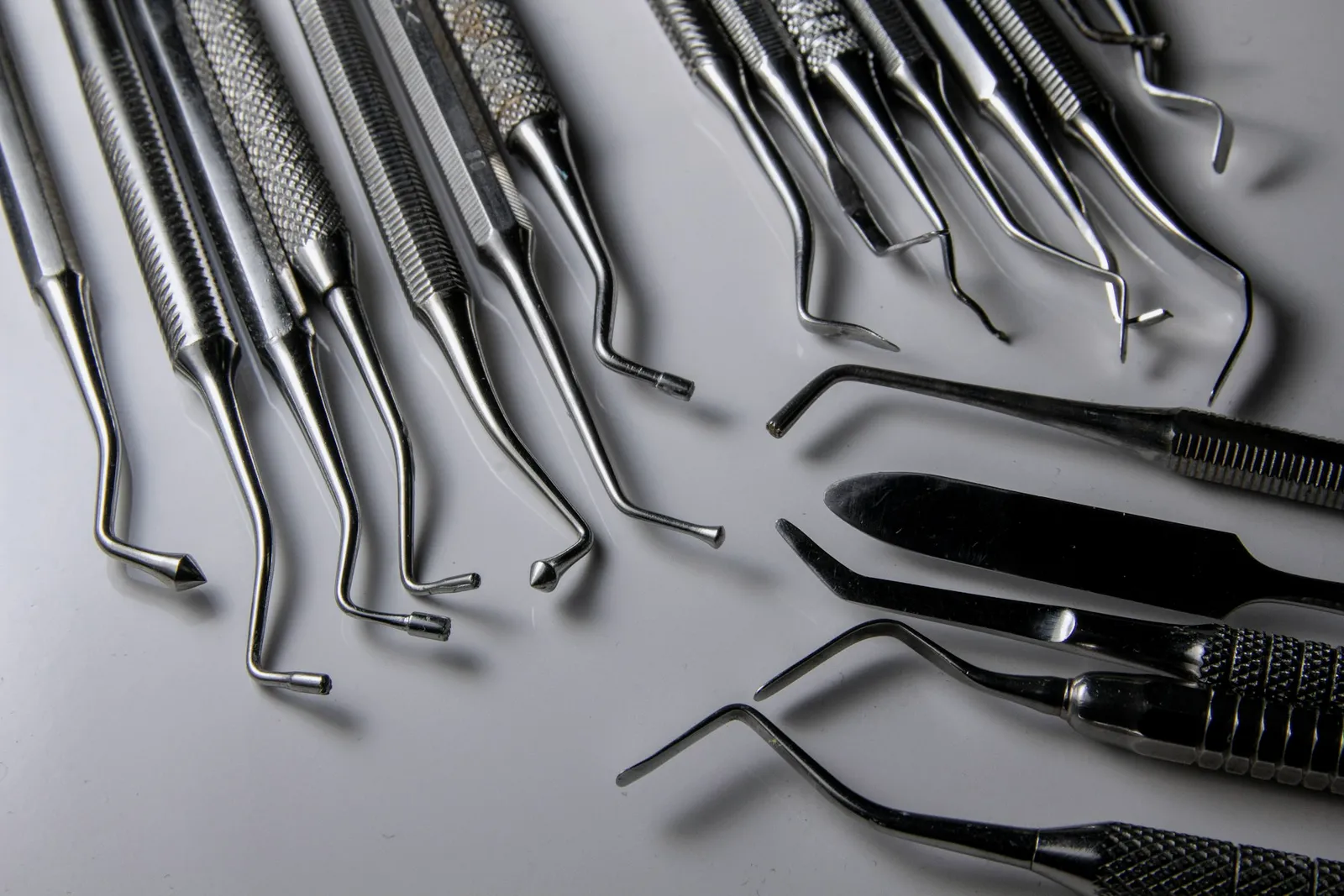
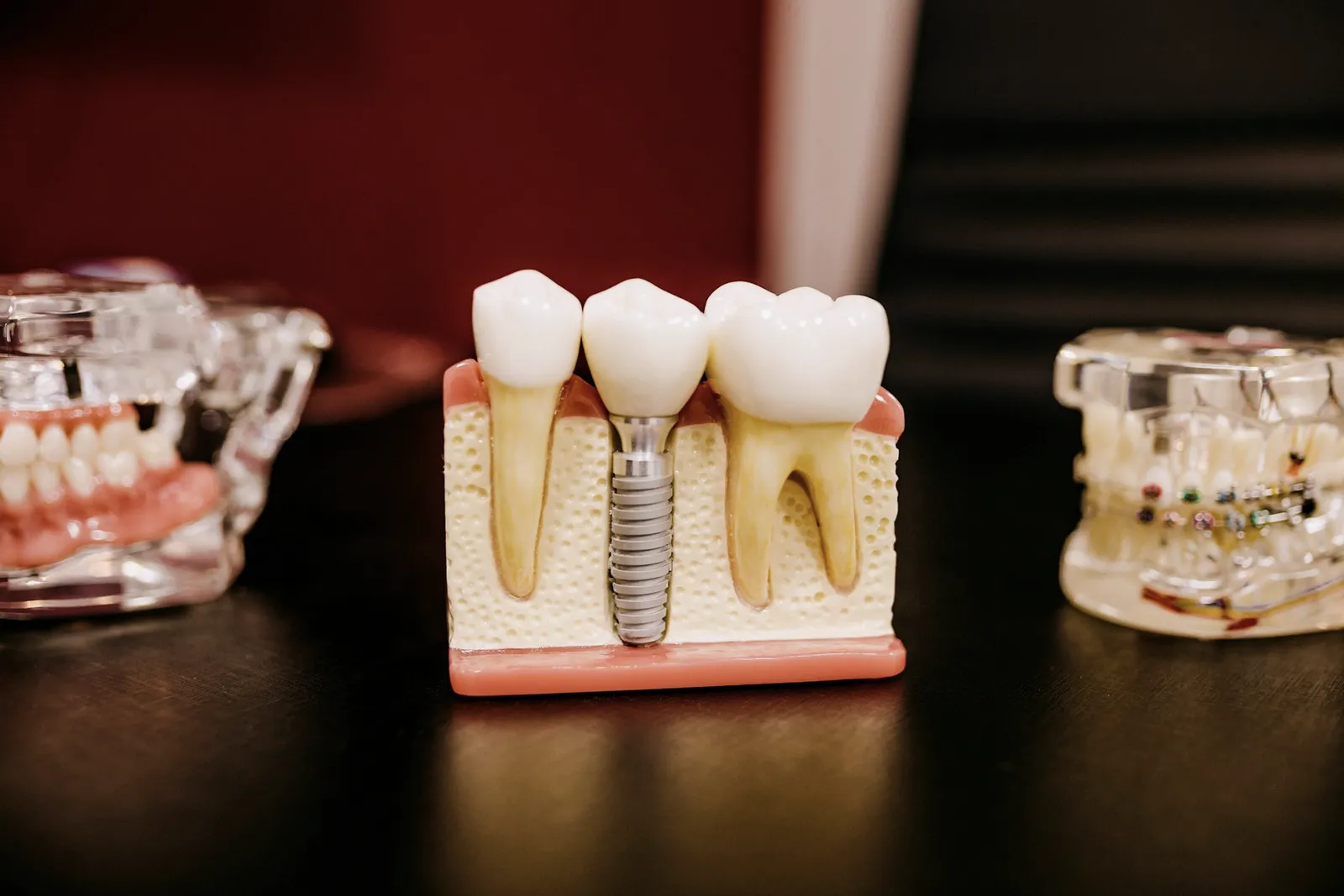
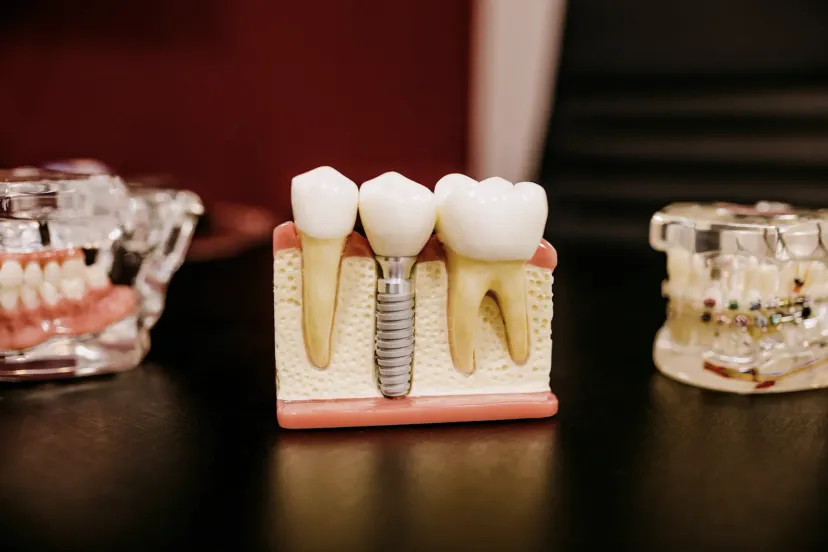
Sterile surgical instruments laid out for a dental procedureTeaching model showing a dental implant between natural teeth

What happens at a tooth extraction appointment?

A straightforward extraction is often finished in one visit. The steps are usually the same:

  1. We review your medical history and medications, especially blood thinners and bone medications.
  2. An X-ray, or a 3D scan if it is needed, shows the roots and the bone around them.
  3. The area is numbed and checked before anything starts.
  4. The tooth is loosened and removed. A surgical extraction may add a small opening in the gum or remove the tooth in sections.
  5. The socket is cleaned. If it was planned ahead, a bone graft may be placed to help preserve the site.
  6. Stitches are placed if needed, and you bite on gauze until the bleeding slows.
  7. You go home with aftercare instructions and know who to call with questions.

Does a tooth extraction hurt?

The area is numbed with local anesthesia first, so you should feel pressure and movement rather than sharp pain. If anything feels sharp, say so right away so more numbing can be added. A badly infected tooth can be harder to numb, which is one reason not to wait until the pain is severe.

Soreness afterward is normal and is usually strongest in the first two or three days. If you are nervous about the visit, say so when you call, so the team can explain each step and go at your pace.

We offer laughing gas (nitrous oxide) and oral sedation (a pill) in the office. IV sedation is available with a sedation provider we work with.

Tooth extraction aftercare: the first few days

Healing depends on the blood clot that forms in the socket. Most of the aftercare is about leaving that clot alone.

  • Bite firmly on the gauze for 30 to 60 minutes. Some oozing on the first day is normal.
  • Do not spit, use a straw, or smoke for several days. Suction can pull the clot out.
  • Rest the first day and keep your head raised when you lie down.
  • Hold a cold pack on the cheek, on and off, during the first day to limit swelling.
  • Wait until the numbness wears off before eating, then eat soft, cool foods and chew on the other side.
  • Brush your other teeth as usual, but stay away from the site for the first day.
  • Starting the next day, rinse gently with warm salt water after meals.
  • Take pain relievers only as directed and if they are safe for you.

Dry socket and when to call

An extraction site should feel a little better each day. With a dry socket, the clot is lost or breaks down early, and the pain gets worse two to four days after the extraction, sometimes with a bad taste or an ache that spreads toward the ear. It is treatable, so call us instead of waiting it out.

Also call for bleeding that will not stop with firm pressure, swelling that keeps increasing after the third day, or a fever.

Call 911 for trouble breathing or swallowing. Seek emergency medical care now for rapidly spreading mouth or neck swelling, or swelling affecting an eye. Do not wait for an online appointment or an office callback.

Replacing the tooth after an extraction

Wisdom teeth do not need to be replaced. For most other teeth, an empty space can let the neighboring teeth drift and the jawbone in that spot slowly shrink, so it helps to talk through the replacement before the tooth comes out.

The usual choices are a dental implant, a bridge anchored to the teeth on either side, or a removable partial denture. Bridges are made and placed here. If you may want an implant later, a bone graft placed at the time of the extraction often preserves the site.

Compare

Simple extraction vs. surgical extraction.

Which one you need depends on how much of the tooth is above the gum and the shape of its roots. The X-ray usually answers the question before the tooth is removed.

Simple extractionSurgical extraction
Typical toothFully visible and intact enough to gripBroken at the gumline, curved roots, or not fully come in
How it is removedLoosened and lifted out in one pieceSmall opening in the gum; tooth may be removed in sections
NumbingLocal anesthesiaLocal anesthesia
StitchesUsually not neededOften placed
Soreness afterwardUsually a few daysOften several days, with more swelling

A simple extraction can become a surgical one during the visit if a tooth breaks or a root is more curved than it looked. We tell you if the plan changes.

At your visit

What we check before removing a tooth

  • Whether a filling, crown, or root canal could still save the tooth
  • How much tooth is left above the gum and the shape of the roots
  • Infection, swelling, and the bone around the tooth
  • How close the roots sit to a nerve or the sinus
  • Your medical history, medications, and anything that affects healing
  • How the space will be filled afterward
Dr. Harkirat Sran, DMD, MBS

Meet the doctor

Dr. Harkirat Sran, DMD, MBS

Implant, restorative, and cosmetic dentist. Dr. Sran trained at Tufts University School of Dental Medicine and completed advanced implant and surgical training through the Simply Implant Institute and Colorado Surgical Institute. He plans treatment and designs the final teeth with Astra's in-house lab, and he is known for slowing down to show patients what is happening before anything is decided.

Meet Dr. Sran
4.9/5on Google · 615 reviews

Common Questions

Tooth Extractions FAQ

Can I get an emergency tooth extraction at Astra Dental?

Yes. Call 203-551-9090 first. We get emergency patients in the same day in almost every case, new and existing patients alike. The exam and X-ray show whether the tooth can be saved or should come out, and almost every dental emergency is treated that same day. Some problems need treatment in stages, and we explain that after the exam.

How long does it take to recover from a tooth extraction?

Most people feel noticeably better within a few days, and the gum usually closes over the site in two to four weeks. The bone underneath keeps healing for several months. Surgical extractions and lower back teeth tend to take a little longer.

What can I eat after a tooth extraction?

Stay with soft, cool or lukewarm foods for the first day or two, such as yogurt, eggs, mashed potatoes, soup that is not hot, and smoothies eaten with a spoon. Chew on the other side. Avoid straws, alcohol, and hard, crunchy, or spicy foods until the site is comfortable.

Can I drive myself home after a tooth extraction?

In general, patients who have only local anesthesia can drive themselves home, because the numbing affects the mouth and not your alertness. If you have oral or IV sedation, take any medication that makes you drowsy, or tend to feel lightheaded at dental visits, have someone else drive. Ask us before your visit if you are unsure.

How long does a tooth extraction take?

It depends on the tooth. In general, a simple extraction of a visible tooth is often quick once the area is numb, while a surgical extraction or a tooth with curved roots takes longer. We can give you a realistic estimate after the exam and X-ray.

How long after a tooth extraction can I smoke or vape?

Wait as long as you can, and at least several days. The suction can pull the clot out of the socket, and smoking is a well-known risk factor for dry socket. Smoking and vaping can also slow gum and bone healing.

When can I go back to work or exercise after an extraction?

Many people return to desk work or school the next day. Hold off on heavy lifting, running, and other hard exercise for a few days, because raising your heart rate and blood pressure can restart bleeding. After a surgical extraction, plan on a little more rest.

Do you remove wisdom teeth at Astra Dental?

Yes. Wisdom teeth are removed here in our Stratford office. The visit starts with an exam and X-ray to see how the tooth sits. A tooth that has come in fully is removed like any other tooth. One under the gum or bone is removed surgically, after the area is numbed, and you go home with aftercare instructions.

Can I be sedated for a tooth extraction?

Yes. We offer laughing gas (nitrous oxide) and oral sedation (a pill) in the office. IV sedation is available with a sedation provider we work with. Tell us when you call if you are anxious about the visit, so the right option is planned before your appointment.
Astra Dental · Stratford

Tooth Extractions in Stratford: schedule your visit.

2499 Main Street, Unit D, Stratford, CT 06615. We welcome patients from surrounding Fairfield County and New Haven County communities.

Call Now 203-551-9090 Book Online